
A free background check shows the basics on a person: age, past addresses, phone numbers and relatives. Spokeo, PeopleFinders and InfoTracer search for free and show who matches; full reports with criminal records cost money. Use them to check a date, a neighbor or yourself, never to screen a tenant or employee.
Every free search stops at a preview, and the full report needs a paid plan or trial. Below are three sites with free searches, three paid ones, and the public records you can search yourself at no cost.
Best Sites for a Free Background Check
Spokeo
(Best for free basic searches)
Spokeo searches by name, phone, email or address. The free results show a person’s age, city and state, relatives and past locations. A paid report adds contact details, address history, property data, social media profiles and, on some plans, criminal records.
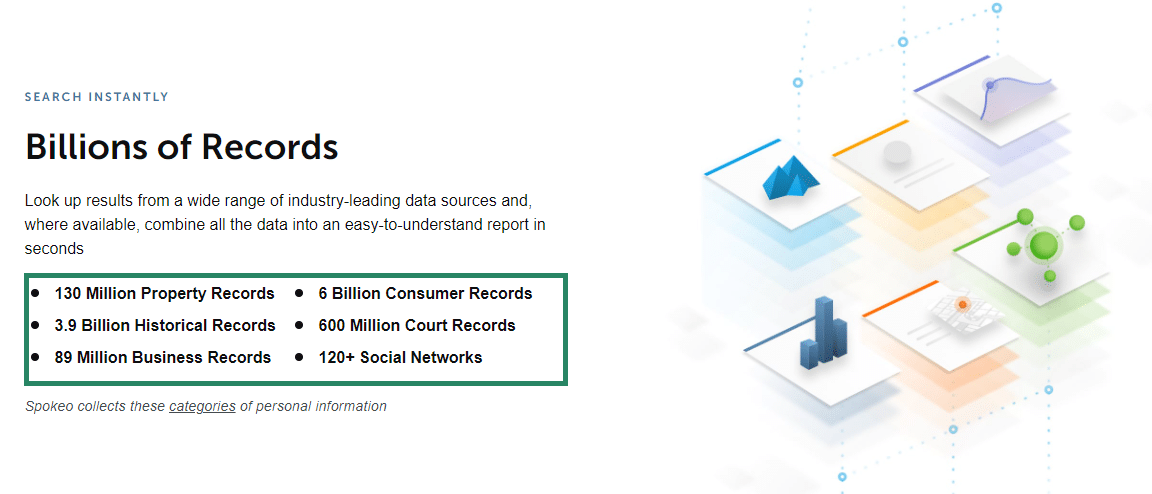
Spokeo draws on more than 12 billion public records and over 120 social platforms. Membership costs $19.95 a month, or $14.95 a month on a three-month plan, for up to 100 reports a month.
Your searches stay confidential: the person you look up is never told. Spokeo is not a consumer reporting agency, so you can’t use it to screen a tenant, an employee or a borrower.
Spokeo FAQ
| 🔍 What types of information can Spokeo provide in a background check?↓ |
|---|
| Spokeo compiles information from over 12 billion public records, including personal details, contact information, location history, family members, social profiles, court records, and criminal records, which are not in every plan and may cost extra. |
| 📅 How accurate and up-to-date is the information Spokeo provides?↓ |
| Spokeo’s data accuracy depends on public sources and is updated regularly, but exact timelines vary. While often accurate, information should be cross-checked with official sources if used for important decisions. |
| 📁 How does Spokeo gather its data for background checks?↓ |
| Spokeo combines more than 12 billion public records from federal, state and county sources with data from over 120 social platforms and other commercial sources. |
| ⚖️ Can Spokeo provide criminal records in its reports?↓ |
| Yes, but criminal court records are not in every plan and may cost extra. They can include arrests, court cases, DUIs and sex offenses. |
| 🚫 Is Spokeo compliant with the Fair Credit Reporting Act (FCRA) for employment screenings?↓ |
| No. Spokeo is not a consumer reporting agency under the FCRA, so you cannot use it for employment, credit or tenant screening decisions. |
| ❌ How can I remove my personal information from Spokeo’s database?↓ |
| Go to the Spokeo opt-out page and submit the link to your listing. Spokeo then hides it from its site. |
| 🔒 Are searches private and confidential?↓ |
| Yes. Spokeo never notifies the person you search for, and only you can see your search history, which you can turn off. |
| 🛡️ How does Spokeo handle privacy and data security for its users?↓ |
| Your searches stay confidential, and Spokeo sells a separate plan, Spokeo Protect, that watches for identity theft. Handle anything you find in a report with care. |
| ❓ What should I do if I find incorrect information in a Spokeo report?↓ |
| If you find inaccurate information, you can contact Spokeo’s customer support. However, since Spokeo aggregates data from other sources, the original source may also need to be corrected. |
| 💳 Are there subscription options available for frequent background checks on Spokeo?↓ |
| Yes. Membership costs $19.95 a month, or $14.95 a month on a three-month plan, with up to 100 reports a month. |
Top Benefit: Spokeo pairs public records with social media profiles from more than 120 platforms, so one report shows both a person’s history and their online presence.
PeopleFinders
(Best for reverse-phone lookups)
PeopleFinders lets you search by name, phone, address or email for free to see whether it has records on someone. Phone records and full reports need a paid membership.
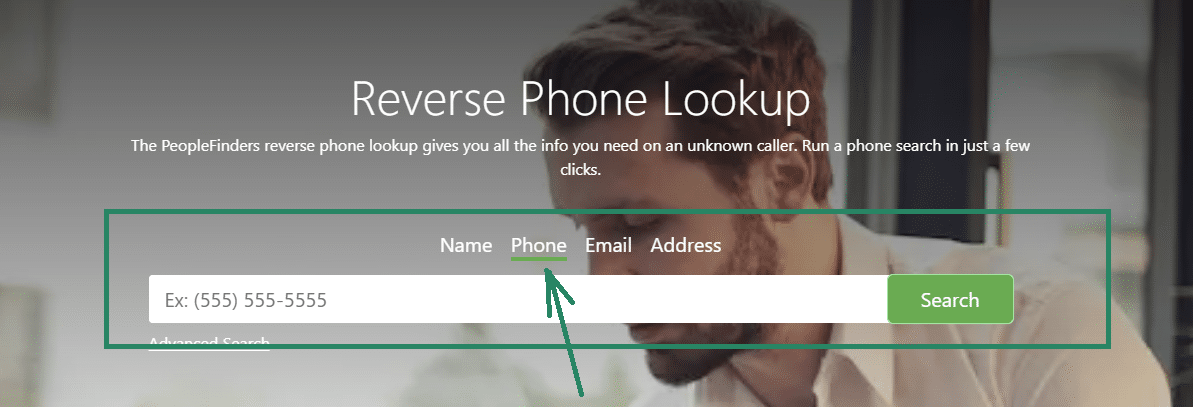
Membership costs $24.95 a month and covers contact details, aliases, relatives and known associates. Premium, at $29.95 a month, adds criminal records, property records, bankruptcies, liens and judgments.
Its database holds billions of current and historical records, including hundreds of millions of criminal records from courts and clerk offices across the U.S.
PeopleFinders usage guide
| ✅ Yourself – Check your online reputation.↓ |
|---|
| See what information others can find about you to understand your online presence. |
| 👪 Family – Locate relatives and research family history.↓ |
| Find long-lost relatives and build your family tree. |
| 👫 Friends – Find new or old friends.↓ |
| Learn more about new friends or reconnect with old ones. |
| 🏡 Neighbors – Get info about people in your neighborhood.↓ |
| Use PeopleFinders to verify new neighbors or learn more about your community. |
| 💑 Dating & Relationships – Look up online dates before meeting in person.↓ |
| Research someone you met online to ensure safety before an in-person or blind date. |
| 📞 Unknown Numbers – Identify unknown callers.↓ |
| Look up phone numbers to find out who is calling and obtain more information about them. |
| 🚫 Employment Screening – Not for job evaluations.↓ |
| PeopleFinders cannot be used to make hiring, promotion, or firing decisions. |
| 🏠 Tenant Screening – Not for leasing decisions.↓ |
| Prohibited for tenant screening, lease termination, or rental decisions. |
| 👶 Household Worker Screening – Not for screening nannies or domestic workers.↓ |
| Not allowed for evaluating household employees like nannies, gardeners, or other domestic staff. |
| 💳 Credit or Insurance Eligibility – Not for financial screening.↓ |
| PeopleFinders cannot be used to assess creditworthiness, insurance eligibility, or loan qualifications. |
| 📚 Education or Scholarship Qualification – Not for academic eligibility.↓ |
| Prohibited from being used to determine eligibility for educational programs, grants, or scholarships. |
Found your own records on PeopleFinders? Its online opt-out form hides them from the site, though it can’t remove them from other companies’ databases.
You can also search by:
- Address lookup
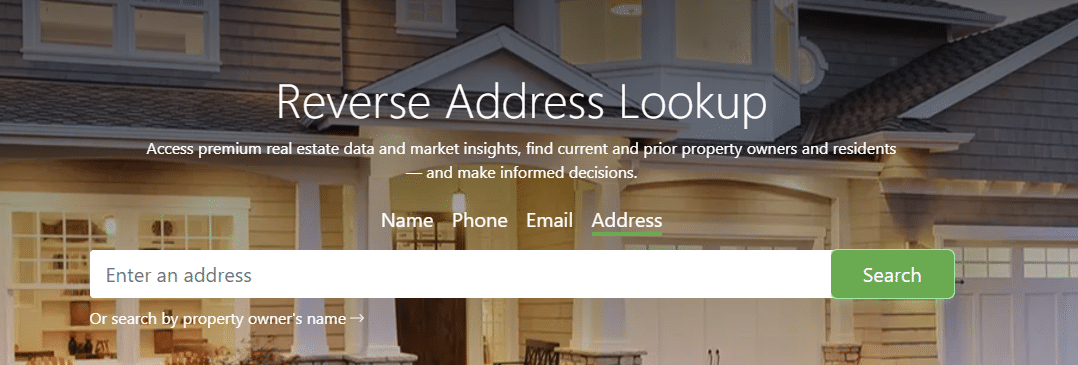
- Email address lookup
- Name lookup
Top Benefit: PeopleFinders is quick at putting a name to an unknown number, and the same membership covers name, address and email searches.
InfoTracer
(Best for advanced reports)
InfoTracer searches more than 5 billion records, including arrest and criminal records, traffic violations, past addresses, phone numbers, social accounts and relatives. You can start from a name, phone number, address or username.
Its face search starts from a photo instead: upload a picture and InfoTracer compares it with images from public sources to put a name to it.
The first scan is free and shows a summary of what InfoTracer found. Full reports come with a seven-day trial for $1.95, then $24.95 a month, and premium reports cost extra.
Top Benefit: InfoTracer’s face search helps when all you have is a photo, such as a dating profile picture.
Paid Background Search
None of these three gives a free report. TruthFinder and Instant Checkmate let you search before paying to see whether they hold records, and BeenVerified starts with a $1 seven-day trial.
TruthFinder
(Best for all-around background check)
TruthFinder builds reports from public records: contact details, address history, relatives, photos, social profiles and criminal records where they exist. A search is free and shows whether it has a match; opening the report takes a membership.
Unlimited reports cost $28.33 a month, or $22.44 a month on a three-month plan, and a phone-lookup plan costs $4.99 a month. TruthFinder holds an A+ rating from the Better Business Bureau.
Top Benefit: One TruthFinder membership covers unlimited reports, and you can add dark web monitoring of your own email and passwords for an extra fee.
Instant Checkmate
(Best for online & social media searches)
Instant Checkmate searches arrest and court records, contact details and social media profiles, then puts what it finds in one report.
Instant Checkmate also holds an A+ rating from the Better Business Bureau. It shares an owner, PeopleConnect, with TruthFinder, and in 2023 the two paid $5.8 million to settle FTC charges that they misled users about whether the people in their reports had criminal records.
Membership costs $35.47 a month, or $28.38 a month on a three-month plan ($85.13 up front).
Top Benefit: A first and last name is enough to start, and the free preview tells you whether records exist before you pay.
BeenVerified
(Best for background newbies)
BeenVerified is easy to use if you’ve never run a background check. Search by name, phone, email or address; reports can include contact details, address history, property records, and criminal and traffic records.
It isn’t free. A seven-day trial costs $1, then membership costs $36.89 a month, or $23.98 a month on a three-month plan, with up to 100 reports a month.
Its iOS and Android apps have more than 6 million downloads, according to the company.
Top Benefit: BeenVerified suits first-timers who want a simple, app-like experience.
Free Background Checks FAQ
What is a background check?
A background check pulls together records about a person’s past: identity, addresses, court and criminal records, and sometimes credit, education and work history.
Free people-search sites cover the public-record side. Credit, education and employment checks come from screening companies that follow the Fair Credit Reporting Act (FCRA).
Employers and landlords run background checks before they hire or rent, and an employer needs your written permission first. Adoption agencies use them too.
You can also run one yourself before a first date or before moving in with a roommate, so you know the facts instead of taking someone’s word.
Information included in a background check
What you find depends on the kind of check and what you pay. The information falls into two groups:
Public Records Information
- Name, address and phone number
- Military service and discharges
- Marriages and divorces
- Bankruptcies, liens and judgments
- Real estate holdings
- Professional licenses
Criminal Record Information
- Traffic tickets
- Arrests
- Felony convictions
- Misdemeanor convictions, including DUI
- Jail or prison release dates
- Probation and community service
Where does background check information come from?
Background check sites pull their data from three main places:
- Public records: court cases, arrests, property deeds, marriage and divorce records, and professional licenses kept by counties, states and courts.
- Commercial sources: data the sites buy from other companies, such as phone and address directories.
- Social media: public profiles, photos and posts. Spokeo alone draws on more than 120 social platforms.
- Not the FBI: the FBI releases a criminal history record only to the person it belongs to, so people-search sites can’t use it.
Is it possible to do a free background check?
Yes, if you do the legwork. Free people-search results show names, ages, cities and relatives, and many official records cost nothing to search:
- Sex offender registries: the Justice Department’s National Sex Offender Public Website searches every state, territory and tribal registry at once.
- Court cases: many state and county courts let you search their case records online.
- Your own credit history: AnnualCreditReport.com gives you free weekly reports from Equifax, Experian and TransUnion.
What a paid site sells is speed: it pulls all of this into one report in minutes, instead of a search on each court and county site.
Are free background checks legit?
Yes, as a first look. The free results are real, but they are a preview meant to sell a membership or trial, and trials renew at the full monthly price unless you cancel.
The data comes from public records and other companies, so it can be out of date or mixed up with someone of the same name. Check anything important against the original court or county record.
None of these sites is a consumer reporting agency, so you can’t legally use them to screen tenants, employees or borrowers. To check a job applicant, use a screening company that follows the FCRA, with the applicant’s written permission.
Can I delete my background check information?
You can remove yourself from people-search sites, but not from the public records behind them.
Each site has its own opt-out: Spokeo hides a listing once you send it the link, and PeopleFinders has an online removal form. You have to ask every site separately, and the courts and counties keep their records either way.
Criminal records are harder to clear. Only a court can expunge or seal one, under the rules of the state where the case was heard.
The FBI’s Interstate Identification Index (III) links the criminal history records held by the FBI and the states. If your FBI record is wrong, request a copy, called an Identity History Summary, for $18 and challenge the error for free; the agency that sent the record makes the correction.
How can I get a free criminal background check?
Many state and county courts let you search their case records online for free, and the National Sex Offender Public Website searches every registry at once. The FBI releases a criminal history record only to the person it belongs to, for an $18 fee.
Can I run a free background check on myself?
Yes. Search your own name on a people-search site to see what others can find, and get free weekly credit reports at AnnualCreditReport.com. Your FBI record costs $18 to request.
Is BeenVerified free?
No. BeenVerified has no free trial: its seven-day trial costs $1, then membership costs $36.89 a month, or $23.98 a month on a three-month plan.