The best places to sell car parts for quick cash are car-buying services like Peddle, Wheelzy and CarBrain, which buy the whole car in any condition and tow it away for free. Junkyards and scrap yards pay when you bring parts in, and eBay Motors or Amazon pay more per part if you have time to list each one.
Key Takeaways
- Peddle, Wheelzy and CarBrain buy cars in any condition, tow them for free and pay at pickup. They resell or recycle the car, so you skip stripping it yourself.
- Junkyards buy usable parts, and scrap metal yards pay for the metal by weight. Demand, rarity and condition set what you get.
- Selling a car for parts makes sense when it can't be repaired or the repairs cost more than it's worth. Parting it out yourself takes days of work, so if you lack the tools or skills, selling the whole car to Peddle is usually the better deal.
Best Used Car Buyers
Peddle

Trustpilot Rating
Get a legit offer in minutes – provide VIN, mileage and condition
$0 fees + you don’t have to pay for towing – Peddle will take care of it
Get paid in check during the pick up for any car (damaged, junk)
Wheelzy
Trustpilot Rating
Quick car evaluation without the hassle – sell your car within 30 min
Choose a convenient date and time for free pick-up, even tomorrow
Get cash in hand the same day the Wheelzy agent picks up your car
CarBrain

Trustpilot Rating
Get an offer within 2 minutes and sell your car within 24 hours
Free vehicle towing and no fees to getting rid of your damaged car
The tow truck driver will arrive with your check (nationwide service)
Best Places to Sell Your Car for Parts:
1. Peddle
Peddle Summary
- Sell used, damaged or junk car nationwide
- Free towing, scheduled within 1 business day
- Receive payment upon car collection
- Get free online quote – offer in seconds
- Instant quote available on (855) 925 4302
- No obligation to accept the offer
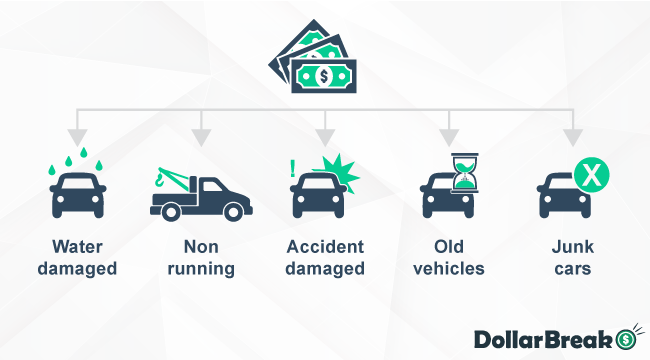
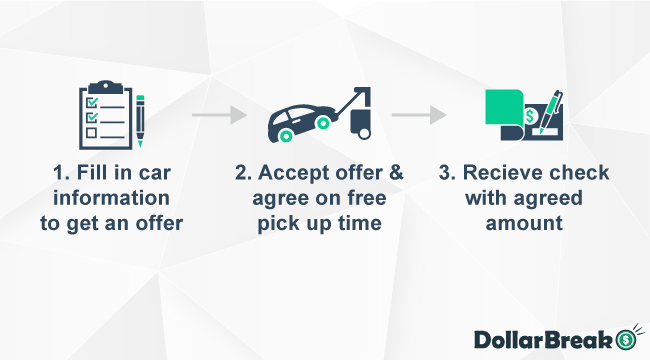
Peddle buys your whole car, running or not, so you get cash without pulling a single part. Here's how it works:
- Describe your car's year, make, model and condition in the online form, or call (855) 925-4302.
- Peddle gives you an instant offer, and you have 7 days to accept it.
- Once you accept, a carrier contacts you within one business day to schedule a free pickup.
- The driver checks the car and hands you a check on the spot. You can choose a bank transfer instead, which arrives within three business days.
2. Wheelzy
Wheelzy Summary
- Service is completely free – no hidden fees
- Get offer in minutes – (855) 510-1108
- Free towing of your car from your location
- Instant payment via cash or check
- Your offer is guaranteed
- Available nationwide (50 states)
Wheelzy buys cars in any condition, from running to wrecked, in all 50 states. Call (855) 510-1108 or fill out the online form to get an offer in minutes.
Wheelzy charges no fees and covers the towing. Once you accept, you pick the pickup time, and the driver pays you on the spot.
3. CarBrain
CarBrain Summary
- Call for a free quote – (844) 407-2200
- Get cash for your car in under 48 hours
- Buys used, damaged and junk cars
- Up to 7 days to accept CarBrain’s offer
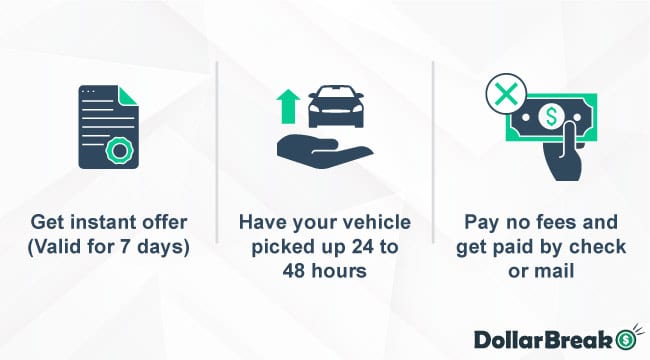
CarBrain is a nationwide buyer of used, damaged and junk cars. Most sellers get an instant online offer, and pickup and payment often happen within 24 to 48 hours of accepting.
Selling your car to CarBrain takes three steps:
- Fill out the form at CarBrain. Most cars get an instant offer; for the rest, a car buyer calls you shortly after with one.
- You have up to 7 days to accept. If you do, have the keys and title ready.
- A towing partner picks up the car, often within 24 to 48 hours, and the driver brings your payment.
CarBrain charges no fees, and towing and the title transfer are free. The online offer takes under 90 seconds. What you're offered depends on:
- The condition of the vehicle
- The age of the vehicle
- The make and model of the vehicle
Other Places to Sell Car Parts for Cash:
4. Junk and Scrap Yards
Junkyards, also called salvage yards, buy cars and parts that are beyond repair. They resell the usable parts to repair shops and DIY mechanics.
They're a good outlet for hard-to-find parts from older models, or parts from cars that are totaled or no longer run. You can pull the parts yourself or bring in the whole car; our guide to selling a car to a junkyard covers the second option.
What you're offered depends on:
- Demand for the part
- How rare it is
- Its condition
A junkyard wants to buy low, so know what your parts are worth before you negotiate. Check prices for the same parts online and get quotes from several yards.
5. Scrap Metal Yards
Scrap metal yards care about the metal, not whether a part still works. They buy parts by weight and recycle them, which keeps the metal out of landfills.
Parts that are most valuable:
- Engine (includes iron, steel, aluminum, and copper)
- Transmission (includes iron, steel, and aluminum)
- Catalytic converter (includes platinum, palladium, and rhodium)
- Battery (includes lead)
Ask a few reputable yards near you for quotes; prices follow metal market rates and each part's weight and condition. Many states require scrap yards to record your photo ID and proof of ownership before they buy a catalytic converter. Our guide on selling a scrap car explains how yards price a whole vehicle.
How Much Used Car Parts Are Worth
Used parts sell for less than new ones, so the new price sets the ceiling on what you can ask. The Automotive Recyclers Association puts recycled parts at 20% to 80% less than comparable new parts.
To price a part, search its part number on eBay and filter for sold listings to see what buyers actually paid. Then adjust for condition, mileage and whether you offer returns.
Who Buys Car Parts?
Car parts, new or used, sell to a wide range of buyers. Knowing who they are helps you set prices and choose where to list.
Each buyer wants something different. A DIY mechanic buys used to save money, while a professional shop may pay more for a new part it can rely on.
Location matters too. Buyers in rural areas often rely on junkyards and salvage yards, while city buyers can also shop at auto parts stores and online.
Types of car part buyers:
- Professional mechanics – want reliable parts on a steady schedule. Fast delivery matters, because their customers are waiting.
- DIY mechanics – buy new and used parts for repairs and upgrades, and usually lean toward the cheaper option.
- Car dealerships – need a steady supply of quality parts. They mostly buy new, but use good used parts for older models or budget-minded customers.
- Insurance companies – source parts to repair the cars they cover after an accident, from body panels to mechanical components.
- Auto body shops – mostly buy body parts such as panels, bumpers and mirrors, plus whatever else a repair needs.
- Retail consumers – non-mechanics buying replacements or upgrades. Easy installation and clear product descriptions win them over.
Pros and Cons of Selling Car Parts
Selling car parts can pay well, but it takes work. Weigh these pros and cons first:
Pros of selling car parts:
- Profitability – parts sold one by one often bring in more than the scrap value of the whole car, especially rare parts or parts from high-end models.
- Market demand – DIY mechanics, repair shops and restorers keep demand for new and used parts steady.
- Environmental impact – reusing parts keeps them out of landfills and cuts demand for new ones.
- Space clearing – selling an old car or a pile of spare parts frees up your garage and puts cash in your pocket.
Cons of selling car parts:
- Time-intensive – stripping a car takes days, not hours, and assessing, listing and shipping each part adds more.
- Requires knowledge and skills – you need to dismantle the car safely, spot the valuable parts, judge their condition and price them well. Without experience, it takes longer and carries safety risks.
- Variable demand – some parts sell fast, while others sit for a long time, especially for older or less popular models.
- Storage – unsold parts need space, which adds up fast with large parts or several cars.
- Regulations – local rules on dismantling cars and selling parts may require permits and environmental steps that add cost and hassle.
- Risk of lower returns – damage a part while removing it, or fail to sell it, and you can end up with less than a junkyard would have paid for the whole car.
Selling car parts can pay off, but it takes experience, time and some money up front. Build the skills and learn the market before you start.
How to Sell Car Parts:
1. Choose The Most Profitable Parts to Sell
Start with the parts that will earn the most. Consider:
- Demand – the biggest factor. Parts many people need sell faster and for more; parts few people want may not sell at all.
- Condition – a part in good shape is worth more than a worn or damaged one.
- The rarity of the part – rare or hard-to-find parts command higher prices, because buyers have fewer alternatives.
- Cost – if you buy parts to resell, make sure the sale price covers what you paid plus fees, shipping and your time.
Research prices before you list. Browse eBay Motors, Craigslist, Facebook Marketplace and specialist parts sites to see what similar parts sell for, new and used.
Parts that wear out or fail often stay in high demand, and so do parts for popular models.
Car parts buyers often look for:
| Engine | Mechanical | Interior | Exterior |
|---|---|---|---|
| Alternators | Brake Pads | Seats | Bumpers |
| Oil Filters | Shocks and Struts | Steering Wheels | Fenders |
| Spark Plugs | Suspension Arms | Dashboards | Headlights |
| Timing Belts | Tie Rod Ends | Center Consoles | Taillights |
| Air Filters | Bearings | Door Panels | Door Mirrors |
| Fuel Injectors | Axles | Radio/Stereo Systems | Windshields |
| Cylinder Heads | Driveshafts | Airbags | Grilles |
| Camshafts | Control Arms | Seat Belts | Hoods |
| Pistons | Fuel Pumps | Carpeting | Trunk Lids |
2. Know Your Target Audience
Decide who you're selling to: businesses (B2B) or consumers (B2C). Each needs a different approach.
B2B buyers: repair shops, dealerships and insurers. They buy in larger quantities and can become steady repeat customers, but winning them takes relationship building, negotiated terms and a reliable supply.
B2C buyers: DIY mechanics, car owners who need a replacement and people restoring old cars. Each sale is smaller but the audience is wider, though you'll need to spend on marketing and competition is stiff.
| Type | Pros | Cons |
|---|---|---|
| B2B | Larger orders, predictable business, recurring sales | Requires relationship-building, complex sales process |
| B2C | Wider audience, direct feedback, potential for higher margins | Requires marketing, high competition, smaller orders |
3. Find a Reliable Supplier
If you don't strip parts from your own cars, your supplier can make or break the business. A good one sells quality parts at fair prices and delivers on time.
Types of suppliers:
| Type of supplier | Pros | Cons |
|---|---|---|
| Original manufacturer | Provide genuine parts, offer warranties, have a good reputation | Can be expensive, not always available, may not be the best option for all repairs |
| Aftermarket suppliers | Offer a wider range of parts, can be less expensive, more readily available | May not be as high quality as original parts, may not offer warranties |
| Salvage yards | Can be a great source for used parts, often very affordable, can be a good option for hard-to-find parts | Parts may be damaged or worn, may not be the best option for all repairs |
| Online retailers | Convenient, often have a wide selection of parts, can be less expensive than brick-and-mortar stores | Can be difficult to verify the quality of the parts, may not offer warranties |
Quality of the Parts
Quality protects your reputation. New or used, every part you sell should work as described, so favor suppliers that offer warranties or guarantees.
Consistent Supply
Your supplier should stock the parts you need in the volumes you need and deliver on time. Keep two or three suppliers who can back each other up.
Competitive Pricing
What you pay for parts sets your margin. Look for fair prices without cutting quality; the cheapest supplier costs you more if its parts fail or arrive late.
Customer Service
Pick suppliers that are easy to reach, answer quickly and fix problems.
4. Choose a Sales Channel
Once you have parts to sell, choose where to sell them. Each channel has trade-offs.
The main sales channels for car parts:
- Amazon
- eBay Motors
- Your own online store
Selling on Amazon
Amazon puts your parts in front of a huge audience, and its search helps buyers looking for a specific part find yours.
Amazon takes a referral fee on each sale: 12% in Automotive & Powersports and 10% for tires, with a $0.30 minimum. On top of that, you pay $0.99 per item sold on the Individual plan, or $39.99 a month on the Professional plan.
For an extra fee, Amazon can also store your parts in its warehouses and ship them for you.
Selling on eBay Motors
eBay has 136 million active buyers, and eBay Motors is its marketplace for vehicles, parts and accessories.
eBay Motors charges a final value fee of 13.6% on the total sale up to $7,500 per item, plus 2.35% on any amount over $7,500. You also pay $0.30 per order, or $0.40 if the order is over $10.
eBay's Parts Sales Hub has free tools for parts sellers, including fitment data that shows buyers which vehicles a part fits.
eBay Motors Summary
- Sell 20+ types of vehicle and car parts
- Low listing fees starting from just $19
- List a car for sale in under 10 minutes
- 2 selling options – fixed price or auction
Selling via Your Online Store
Your own online store gives you full control over pricing, listings and shipping, and you sell under your own brand.
Build it on a platform such as Shopify or WooCommerce, two of the most popular e-commerce platforms.
Next, get a domain name, your store's web address. Shopify hosts your store for you; WooCommerce runs on WordPress, so you'll need your own web hosting.
Then add your products, write clear listings with part numbers and fitment, and set up shipping and payments.
Promote the store through social media, email and paid ads.
5. Choose the Shipping Method
How you ship affects customer satisfaction, your reputation and your margin. Fast, reliable delivery tells buyers they can trust you.
Dropshipping and Fulfillment Services
With dropshipping or a fulfillment service, you never handle or store inventory. When an order comes in, your supplier or a fulfillment center packs and ships it, which helps most with a wide catalog or heavy, bulky parts.
Fulfillment by Amazon (FBA), for example, stores, packs and ships your products so you can focus on selling.
The trade-off is less control over shipping and the customer experience.
Couriers
Couriers such as FedEx, UPS and DHL offer fast, reliable shipping, which matters when mechanics and dealerships need a part urgently. Tracking keeps customers informed and builds trust.
Couriers can ship heavy parts, even engines, though large or heavy packages usually carry extra handling fees.
UPS and FedEx both take packages up to 150 lbs (68 kg) on their standard services.
Anything heavier goes by freight, which these carriers also offer for large items, at home and abroad.
Couriers usually cost more than standard postal services, but for high-value parts the reliability is often worth it.
Customer Collection
If you have a store or warehouse and mostly local customers, let them collect in person. It saves on shipping, gets parts to buyers who need them fast and can lead to extra sales when they visit.
Collection works less well if your customers are spread across a wide area.
People Also Asked
When is it worth selling a car for parts?
Selling a car for parts is worth it when:
- Non-repairable vehicle – the car doesn't run or is too damaged to fix, so its parts may be the only value left.
- Expensive repairs – the repairs cost more than the car is worth, so the parts can bring in more than the car would as a whole.
Is it worth tearing down the car?
It depends on the car's make and model, the condition of its parts and how much time you're willing to put in.
A popular model with in-demand parts in good condition usually earns more parted out. But you'll need to take the car apart, clean and inspect each part, then list it online or sell it to a salvage yard.
What the work involves:
- Disassembling the car: removing each part without damaging it
- Cleaning and inspecting the parts: so you can describe and price them honestly
- Listing and shipping: photos, descriptions, buyer questions and packing
If you don't have the time or tools to part out the car, sell it whole to Peddle.
What does a parts-only title mean?
A parts-only title means the vehicle is too damaged to repair; some states call it a non-repairable or junk title. The car can't be registered for road use and can only be sold for parts or scrap.
Can you make money selling car parts?
Yes, if you know how to take cars apart and which parts are worth selling.
Without those skills, the job takes much longer, and the profit may not cover your time and costs.
For quick cash without the work, sell the whole car to Peddle, Wheelzy or CarBrain instead.
How do I sell car parts fast?
Selling the whole car to a car-buying service is quickest: you get an offer in minutes and a free pickup, often within a day or two. For single parts, a local junkyard or scrap yard is fastest, while online marketplaces pay more but take longer.
Where can I sell car parts for cash near me?
Local junkyards and salvage yards buy usable parts, and scrap metal yards buy parts for their metal, so call a few for quotes. You can also list parts on Facebook Marketplace or Craigslist and meet local buyers in person.
Where can I sell new, unused car parts?
If you're still within the seller's return window, returning the part is the fastest way to get your money back. Otherwise, list it as new on eBay Motors, Amazon or Facebook Marketplace, with the part number and the original box in the photos.