Quick Answer:
Yes, if the title joins the names with “OR.” When two names are on a car title, the word between them decides who signs: “OR” or “AND/OR” usually lets either owner sign alone, while “AND” needs both signatures. Either way, you both own the car.
A death, a car loan or a divorce changes the steps. Find your situation below, and check your state’s DMV for its exact forms.
Key Takeaways:
- The word between the names decides: with “OR” or “AND/OR,” one owner can usually sign the title alone. With “AND,” a slash or, in many states, no word at all, both must sign.
- Selling: you sign the title over with the mileage and price, and the buyer applies for a new title. Some states, such as Ohio, want your signature notarized.
- When a co-owner can’t sign: a power of attorney lets you sign for them. A death, a car loan or a divorce adds its own steps.
Best Used Car Buyers
Peddle

Trustpilot Rating
Get a legit offer in minutes – provide VIN, mileage and condition
$0 fees + you don’t have to pay for towing – Peddle will take care of it
Get paid in check during the pick up for any car (damaged, junk)
Wheelzy

Trustpilot Rating
Quick car evaluation without the hassle – sell your car within 30 min
Choose a convenient date and time for free pick-up, even tomorrow
Get cash in hand the same day the Wheelzy agent picks up your car
CarBrain

Trustpilot Rating
Get an offer within 2 minutes and sell your car within 24 hours
Free vehicle towing and no fees to getting rid of your damaged car
The tow truck driver will arrive with your check (nationwide service)

How I Sold Our Car With Two Names On The Title
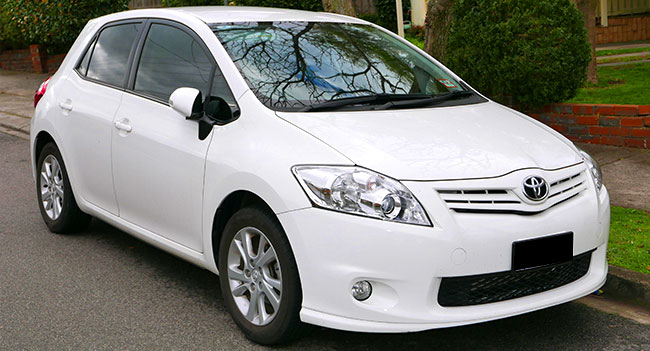
Years ago, my wife and I bought a 2012 Toyota Corolla together. We put both our names on the title, which lowered our insurance payments.
When my wife moved to remote work, we agreed to sell the car and put the money toward a much-needed garden renovation.
I tried a private sale first and listed the car on eBay Motors and Autotrader for $3,200. Over the next month a few people called, but only one wanted a test drive, and I couldn’t fit it around my kids’ baseball training.
Since a private sale could drag on, I tried online car buyers: Peddle, Wheelzy and CarBrain.
For a 9-year-old Corolla at the prices of the time, Peddle made the best offer, $2,805, and it seemed more than fair.
Peddle only needed the title signed by both my wife and me, my ID and the car’s location. It handled the rest of the paperwork.
The car was picked up from our driveway within 48 hours, and we were paid in full on the spot.
Understand the Conjunctions
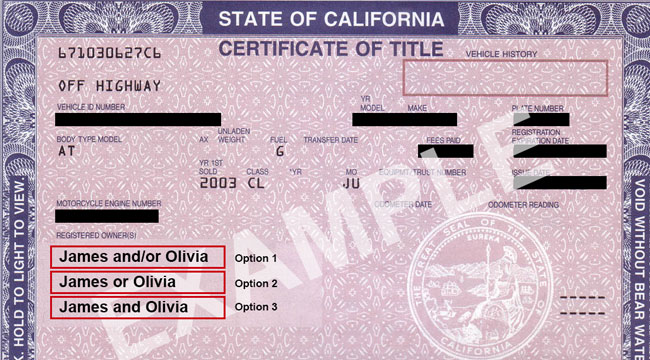
Two names on a title make you co-owners, with equal rights to the car whichever name comes first.
What differs is who has to sign when you sell. That depends on the word printed between your names in the owner field.
Titles join the names with “AND,” “OR” or “AND/OR”; some use a slash or nothing at all. For example:
- “James and/or Olivia”
- “James or Olivia”
- “James and Olivia”
Find your title’s word in this table to see whether you can sell the car alone:
| Conjunction | Who signs the title | Can one owner sell alone? |
|---|---|---|
| AND/OR | Either owner, in most states | Yes |
| OR | Either owner | Yes |
| AND, or a slash (/) | Both owners | Only with the other owner’s power of attorney |
| No word between the names | Both owners, in many states | Usually not |
With “OR” or “AND/OR,” one of you can sign and sell. Talk to the other owner first anyway, since they have the same rights to the car.
The word between the names doesn’t rank one owner above the other; it only sets whose signatures the sale needs. A few states have their own rule: New York asks for only one owner’s signature to transfer a title.
Reasons For Two Names On a Car Title
People share a title for a few reasons:
- Possible insurance savings – co-owners insure the car together, and for us that meant lower payments.
- Shared ownership rights – both owners have the same say over the car, which helps avoid disputes later.
- Probate-free transfer at death – if the title shows a right of survivorship (or, in some states, “OR”), the car passes to the surviving owner without probate.
- Split costs – you share repairs, insurance and other running costs.
Married couples share titles most often, but parents and children, partners and friends can co-own a car too.
Selling Jointly Owned Car: Standard Procedure
Step 1: Get the Co-Owner’s Signature
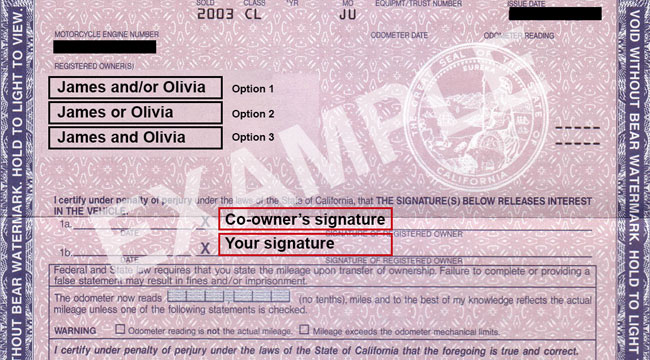
Once you both agree to sell, get the co-owner’s signature on the title. If the title says “AND,” you can’t sell without it.
Their signature is the proof that they agreed to the sale, and the DMV won’t transfer an “AND” title without it. They don’t have to be there when you hand over the car.
Rules and forms differ from state to state, so check your DMV’s title pages for the exact paperwork before you sell.
Step 2: Gather Required Documents
Besides the certificate of title, you need your ID or driver’s license.
Depending on your state, you may also need:
- Valid registration
- Emissions test documents
- Bill of sale
Additional documents that might help to close the deal:
- VIN Check
- Service records
- Owner’s manual
Step 3: Complete the Title Transfer
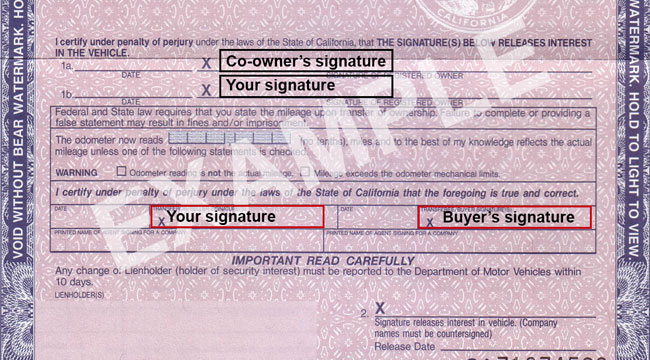
With the co-owner’s signature on the title and your papers ready, you can finish the sale on your own.
Sign the title as the seller and fill in the odometer reading and the sale price. Federal rules require the mileage for model year 2011 and newer cars until they are 20 years old. The buyer then uses the signed title to apply for a new one.
Some states want the seller’s signature notarized: Ohio does, and Pennsylvania asks for a notary or an authorized agent. There, each owner signs in front of the notary, so don’t sign the title ahead of time.
Your state may also have its own transfer or registration form. The same rule applies there: one owner signs for “OR,” both sign for “AND.”
Step 4: Report the Sale (Release of Liability)
After the sale, tell your DMV the car is no longer yours. California calls this the Notice of Transfer and Release of Liability and gives you 5 days to file it; other states have their own form and deadline.
The notice shows you aren’t responsible for parking tickets, traffic violations or civil and criminal cases tied to the car after the sale date. Skip it, and those can still land on you.
Step 5: Cancel Insurance
Cancel your insurance only once the sale is complete and reported. Until then, the car is still legally yours.
Selling Jointly Owned Car: Financed Car
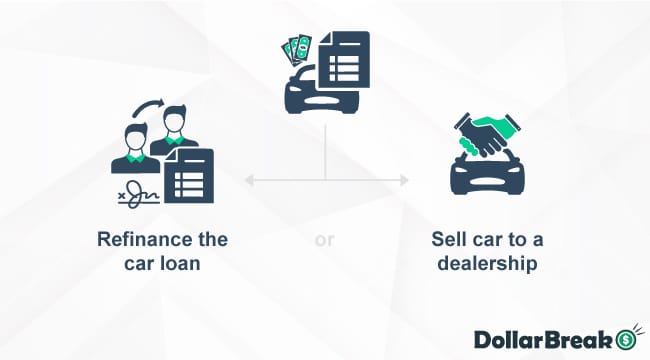
If a lender holds a lien on the car, the loan must be paid off and the lien released before the title can pass to a buyer, though the sale money can cover it. That holds whether you sell a car privately or to a company. Our guide on selling a financed car walks through the payoff.
You have two options:
Option 1: Refinance the Loan
Refinancing can take one co-owner off the loan, leaving the other to carry it alone. Whether that works depends on that person’s credit score and income, so ask your lender what it allows.
Option 2: Sell to a Car-Buying Company
If refinancing won’t work, sell the car and let the sale price clear the loan.
Peddle buys only cars with no loan left on them, so you would pay it off first. Wheelzy handles the title transfer itself, but its FAQ doesn’t say whether it takes a car with a lien, so ask before you accept.
What you get with Wheelzy:
- An online offer in a few minutes, guaranteed not to change
- Wheelzy handles the title transfer and sends you a bill of sale
- Free pickup at a time that suits you, the same day if you need it, with payment by check or cash
Wheelzy Summary
- Service is completely free – no hidden fees
- Get offer in minutes – (855) 510-1108
- Free towing of your car from your location
- Instant payment via cash or check
- Your offer is guaranteed
- Available nationwide (50 states)
Another option is CarBrain, which specializes in cars in less-than-perfect condition. It can buy a car with a lien when its offer is higher than what you still owe, and it helps get the title released from the lender.
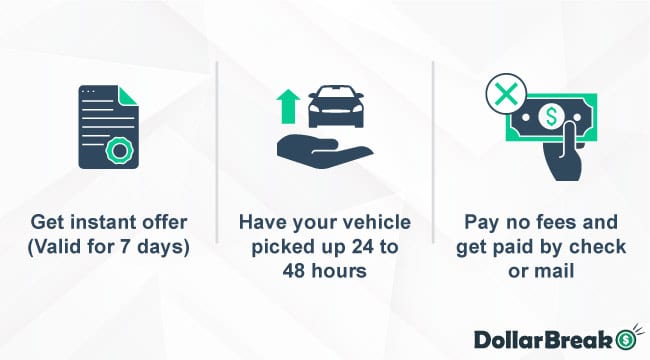
You have up to 7 days to accept CarBrain’s offer. The driver usually collects the car within 24 to 48 hours and pays you by check at pickup.
CarBrain Summary
- Call for a free quote – (844) 407-2200
- Get cash for your car in under 48 hours
- Buys used, damaged and junk cars
- Up to 7 days to accept CarBrain’s offer
Selling Jointly Owned Car: After Co-Owner’s Death
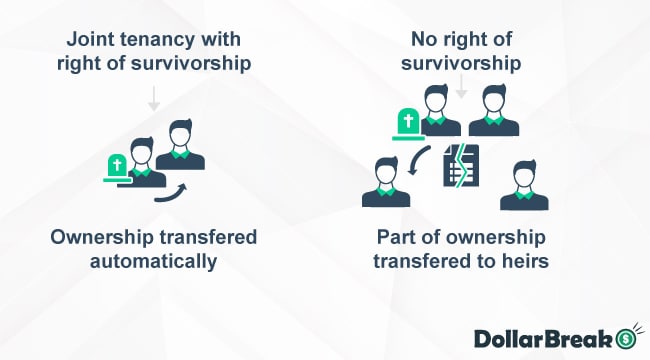
What happens depends on your state and on how the title is written. In Oregon, the surviving owner can sell with proof of death only if the title shows survivorship; without it, the other owner’s share goes through their estate.
In Kentucky, a car a married couple owns together passes to the surviving spouse unless the registration says otherwise. The spouse applies for a new title with a copy of the death certificate and pays no title fee.
Many states let co-owners add a right of survivorship to the title (California prints it as JTRS), so the car passes to the survivor without probate. Texas offers a Rights of Survivorship Ownership Agreement, Form VTR-122, for the same purpose.
Without survivorship, the deceased owner’s share usually passes to their heirs, so you need the heirs’ or the executor’s signature to sell or to put the title in your name. Our guide on how to sell a car of a deceased person covers that paperwork.
Once a name comes off the title, tell your insurance company, so the names on the title and the policy match.
Selling Jointly Owned Car: In Case of the Divorce
A car bought during a marriage is usually marital property, whoever’s name is on the title. The divorce settlement decides who keeps it, or how the money from a sale is split.
While the case is open, a court can bar either spouse from selling shared property. In California, the divorce summons does this automatically: no selling or transferring property without the other spouse’s written consent or a court order. Once that is settled, the sale follows the standard steps above.
Selling Jointly Owned Car: If Co-Owner Can’t Be Present
With “AND” between the names, the sale needs both signatures. If the co-owner can’t sign the title themselves, you have two options:
Option 1: Power of Attorney
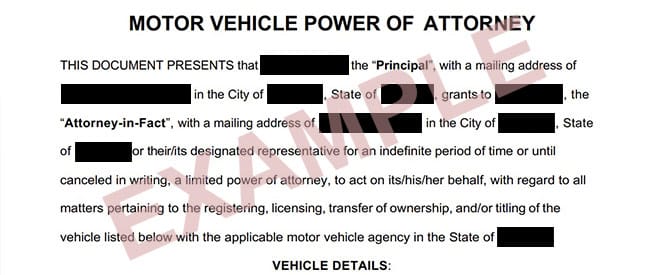
The co-owner can give you power of attorney to sign for them. Many states have a vehicle form for it, such as California’s REG 260, which goes in with the papers you sign.
You then sign the title twice: once for yourself and once as the co-owner’s attorney-in-fact.
Option 2: Removing the Co-owner from the Title
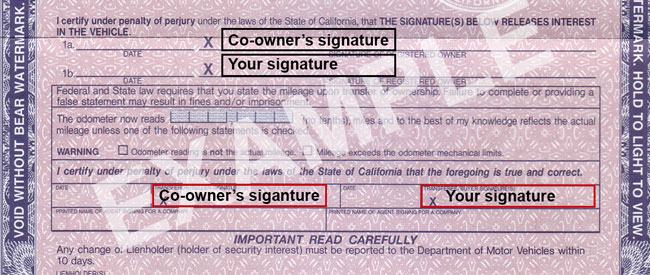
To take a name off, both owners usually sign the back of the title as sellers, and the owner who stays on it signs as the buyer.
Then apply for a new title in one name. Ask your DMV whether it takes the application by mail.
People Also Asked
Do both parties have to be present to transfer a car title?
Usually not: title rules ask for signatures, not for both owners to show up together. With “AND” or a slash between the names, both of you must sign; with “OR” or “AND/OR,” one signature is enough.
In states that want the seller’s signature notarized, such as Ohio, each owner who signs does so in front of a notary.
Can I trade in a car with two names on the title?
Yes. The dealer follows the same title rules: with “OR,” one owner can sign the trade-in alone; with “AND,” you need the other owner’s signature or their power of attorney.
Without either, the dealer can’t take an “AND” title, so sort it out before you go.
What’s the drawback of joint ownership of a car?
The main drawback is that you can’t always act alone: with “AND” on the title, neither of you can sell without the other.
You also share responsibility for the car, and a loan you took out together affects both your credit.
Pros of joint ownership:
- Shared costs
- Equal rights to the car
- No probate when the title has survivorship
Cons of joint ownership:
- Shared responsibility
- Credit exposure (when co-borrowing)
- Both owners must sign to sell when the title says “AND”
What paperwork is needed to sell a car with two names on the title?
It differs by state, so check with your DMV. In general, you need:
- The title, signed by each owner who has to sign
- Your driver’s license or ID
- The odometer reading (model year 2011 and newer)
- The sale price
Some states also ask for:
- Emission test certificate
- Bill of sale
- Registration
Who is the owner when two names are on a car title?
Both of you. Wisconsin’s DMV, for one, says all owners have equal legal ownership, whoever is listed as the primary owner. The word between the names only decides who has to sign when you sell.
What if there is no “and” or “or” between the names?
Expect to need both signatures. Alabama’s title rules treat no word the same as “AND,” California prints a slash for “AND” when no word was chosen, and Wisconsin wants every owner to sign unless the title says “OR.”
Can I sell the car if the other owner on the title has died?
Usually, yes. If the title says “OR” or shows a right of survivorship, the surviving owner can normally sell alone, though some states, such as Oregon, ask for proof of death. Without survivorship, the deceased owner’s share goes to their estate, and their heirs or executor must sign too.